
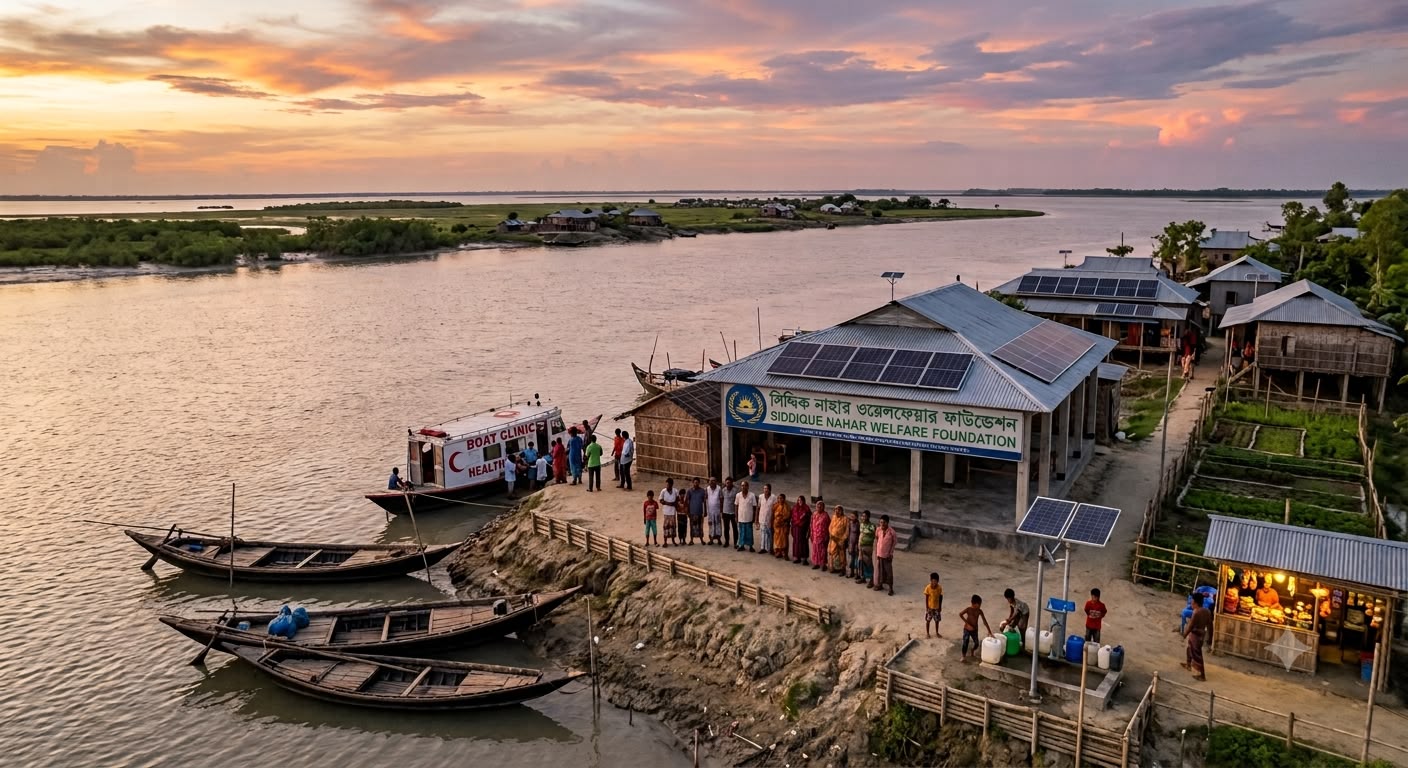
Transforming Lives in the Shallows: How We Can Uplift Bangladesh’s Remote Island Communities
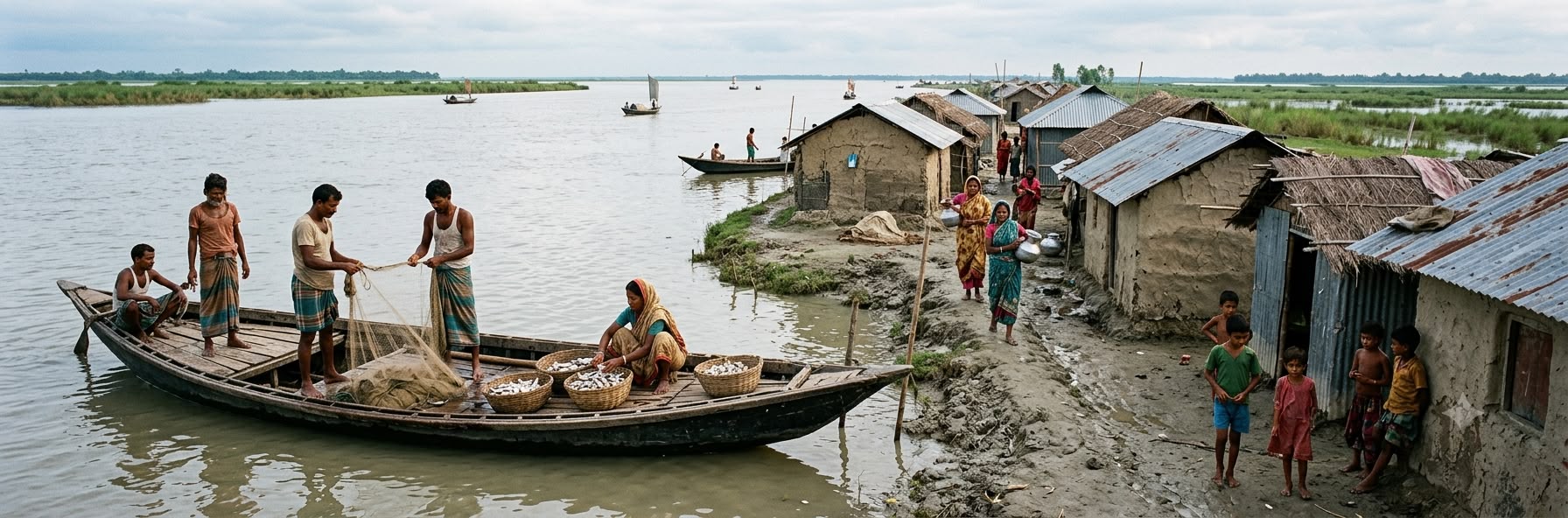
Bangladesh’s coastal and riverine islands—locally known as Chars and offshore islands like Hatiya, Kutubdia, and Sandwip—are home to millions of resilient souls. Surrounded by water, these communities face unique challenges daily: severe climate vulnerability, isolation, limited access to healthcare, and seasonal poverty.
At [Your Foundation Name], we believe that true national progress leaves no one behind. Uplifting the livelihoods of these island residents is not just a matter of charity; it is a fundamental human right.
Here is our strategic roadmap for bringing sustainable development and hope to Bangladesh’s most remote island communities.
1. Climate-Resilient Infrastructure & Safe Housing
Living on the frontline of climate change, island dwellers frequently lose their homes and lands to river erosion and tropical cyclones.
Raising Village Plinths: Elevating homesteads and community grounds above flood levels to prevent seasonal displacement.
Cyclone-Resistant Shelters: Building multi-purpose community centers that serve as schools during normal days and safe havens during extreme weather.
Embankment Reinforcement: Supporting community-driven bio-engineering (like planting mangroves) to stabilize vulnerable shorelines.
2. Renewable Energy: Lighting Up Off-Grid Life
Traditional power grids rarely reach these isolated islands. Access to energy is the catalyst for all modern development.
Solar Micro-Grids: Installing community-scale solar panels to power homes, local markets, and medical centers.
Solar Water Pumps: Providing clean drinking water through solar-powered filtration systems, reducing waterborne diseases and the burden on women who walk miles for fresh water.
3. Sustainable Livelihoods & Financial Inclusion
To break the cycle of poverty, islanders need resilient sources of income that can withstand environmental shocks.
Climate-Smart Agriculture: Training farmers in saline-tolerant crop cultivation, floating agriculture (dhap), and duck farming.
Modern Fishing Support: Supplying coastal fishermen with safer boats, weather-alert technology, and cold-storage facilities to preserve their catch and fetch better market prices.
Women’s Entrepreneurship: Offering micro-grants and vocational training in handicrafts, poultry rearing, and tailoring to empower women economically.
4. Floating Healthcare & Mobile Clinics
Reaching a mainland hospital during a medical emergency can take hours—sometimes with fatal delays.
Boat Clinics: Deploying fully equipped medical boats with doctors, basic diagnostic tools, and essential medicines to provide doorstep healthcare.
Telemedicine Units: Utilizing satellite internet to connect island patients with specialist doctors in urban centers.
Maternal & Child Care: Training local birth attendants and providing prenatal care to drastically reduce infant and maternal mortality.
5. Quality Education & Digital Connectivity
Children on isolated islands deserve the same quality of education as those in major cities.
Floating & Solar Schools: Ensuring education continues uninterrupted even during monsoon floods.
Digital Learning Hubs: Providing low-cost tablets, offline educational content, and internet connectivity to bridge the digital divide for island youth.
Our Commitment as a Welfare Foundation
Real, long-lasting change requires more than temporary relief; it demands structured, long-term empowerment. At [Your Foundation Name], we are committed to working hand-in-hand with island residents, local leaders, and global partners to turn these remote waters into hubs of opportunity and resilience.

Siddik-Nahar Welfare Foundation
Flickr Feed
@2026-Siddik-Nahar Welfare foundation.All rights reserved